Top 7 Work Life Balance Trends Changing How Professionals Manage Stress in 2026

Discover the latest work life balance trends that help professionals manage stress more effectively in 2026.
Introduction to Emerging Work Life Balance Trends
Work life balance continues to evolve as professionals face growing demands and technology shifts. In 2026, stress management is increasingly linked to holistic strategies that integrate flexible work and mental health support. This article highlights seven trends that are reshaping how people balance their careers and personal lives.
1. Hybrid and Flexible Work Schedules
Hybrid models combining remote and in-office work offer professionals greater control over their time. Flexibility reduces commute stress and allows better alignment between work hours and peak productivity, which helps decrease burnout risk.
2. Technology for Personal Wellbeing
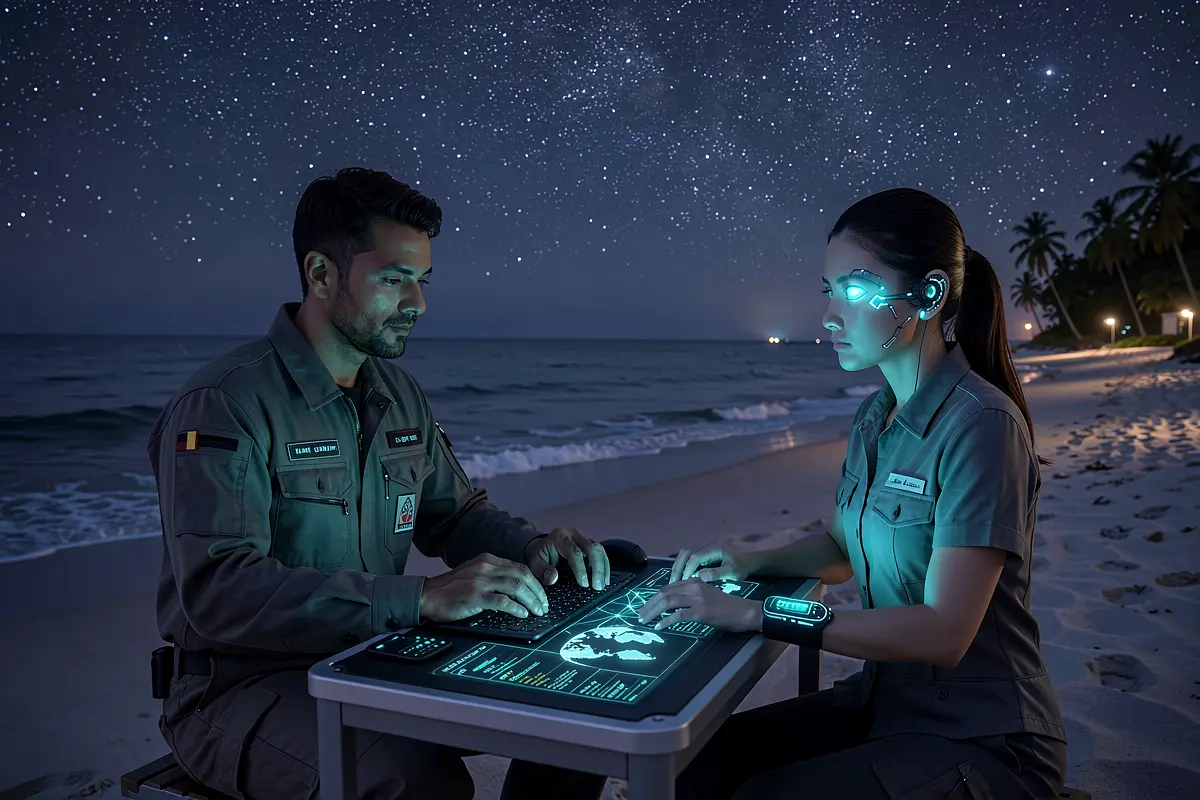
From wearable stress monitors to apps that encourage mindfulness breaks, technology plays a growing role in stress awareness. Professionals use these tools to detect early signs of tension and to practice self-care throughout the day.
3. Boundaries Through Digital Detox
Setting intentional limits on device usage outside work hours has become a priority. Digital detox strategies help professionals disconnect, reducing mental overload and improving family or personal time quality.
4. Mental Health Days as Standard Practice
More companies are recognizing mental health days as essential. Encouraging employees to take occasional days off for psychological rest contributes to lower stress levels and higher overall engagement.
5. Emphasis on Ergonomic and Comfortable Workspaces
Organizations invest in ergonomic furniture and design to create physical comfort that prevents strain and boosts focus. Whether at home or in the office, a well-designed workspace supports longer periods of productive work without exhaustion.
6. Integration of Physical Activity into the Workday
Short movement breaks and access to fitness options during the day help reduce stress and improve energy levels. Professionals prioritize regular physical activity as a natural way to reset their focus and reduce fatigue.
7. Personalized Stress Management Plans
Increasingly, individuals and organizations tailor stress reduction methods to personal preferences and lifestyles. Customized approaches recognize that there is no single solution for everyone, making stress management more effective and sustainable.
Conclusion: Shaping the Future of Work-Life Balance
The work life balance landscape in 2026 is defined by flexibility, technology, and thoughtful personal care. By adopting these trends, professionals can reduce stress and improve both productivity and well-being in meaningful ways.